


How I designed a run club brand with Envato, Photoshop, and Illustrator
From a simple logo to a full run club identity, see how AI tools, Illustrator, and Photoshop came together to build a brand system full of movement, warmth, and community.
Envato: Get every type of asset for any type of project, and a full stack of AI tools. Start now
Want to know how to leverage user generated content in your marketing? Let's explore everything you need to know about UGC—from what it is to how to source it.

In today’s world, snapping pictures or recording videos and sharing them online is second nature. This content creation surge has transformed marketing, turning everyone into a potential brand content creator. UGC is one of the key content marketing trends that’s here to stay. Bill Gates famously declared in 1996 that “content is king,” which remains true today. With this vast pool of user-generated content (UGC) at our fingertips, why not leverage it for your brand?
This article answers the question, “What is user-generated content in marketing for creatives, freelancers, and small businesses?” We’ll delve into understanding what UGC is and the benefits of user-generated content in 2024. We’ll also explore how to implement it effectively and get a clear picture of UGC vs. influencer marketing. Plus, we’ll showcase some real-world UGC campaigns to spark your creative flame.
As a creative or freelancer, you know the power of a compelling message. But in today’s world, perfectly staged photos and scripted commercials just don’t cut it anymore. Consumers crave authenticity, and that’s where UGC comes in.
So what is user-generated content in marketing? UGC in marketing refers to content created by your customers: photos of them using your product, videos (including AI UGC Videos) raving about your service, reviews singing your praises, or even social media posts. With UGC, real people take center stage, sharing their genuine experiences. Brands can share this UGC alongside your brand’s original content with permission, full disclosure that it is UGC, and tagging the user.
Here are some user-generated content examples:
You may have asked your users to share their experiences with your product, or they may have done so independently. You can use this UGC as part of your content strategy, and not doing so would be a waste!
Overview: I didn’t have to look far for the first UGC example. Envato’s #MadeWithEnvato has been around for a few years and has over 17,000 posts on Instagram alone. There’s an annual Instagram challenge where creatives send in visuals they created using digital assets from Envato.
Why it works: #MadeWithEnvato is an excellent example of a branded hashtag. It’s unique and memorable, and various digital creatives use it all year round, even outside the challenge period. This hashtag is even used by the internal team for original brand content.
Overview: This social change project leverages the power of UGC to bring photographers worldwide together and foster a movement for social change. Annually, each participant documents their city’s story for 24 hours, with one photo shared per hour by tagging @24HourProject and using #24HourProject on Instagram. This unique format not only captures the diversity of human experiences across the globe but also creates a virtual space for photographers to connect around a common theme chosen annually.
Why it works: Photographers collaborate and inspire each other by sharing their UGC and participating in online discussions, transforming individual snapshots into a collective narrative that raises awareness and sparks social action. Since 2012, the 24 Hour Project has fostered and built a strong community of photographers for social change.
Overview: Nimbel stands out as a startup that champions the power of UGC all year round. Their Instagram presence exemplifies this. Nimbel avoided the overwhelming distractions of countless story highlights. Instead, Nimbel focuses on the voices and content that matter most—their customers—with just four curated highlights: Ambassadors, Fans, Reviews, and Media. They ensure potential customers see real parents using and loving their Nimbel carriers. This laser focus on UGC allows Nimbel to build trust and highlight product benefits using UGC.
Why it works: Trust and recommendations from other parents are priceless in the baby carrier niche and as a startup. Nimbel understands this, and their focus on UGC speaks directly to this need. By amplifying authentic customer experiences, Nimbel cuts through the marketing noise and positions itself as a brand built on real-world experiences and happy parents.
UGC in marketing involves leveraging content created by your loyal customers and featuring your brand. Now, let’s look at the benefits of user-generated content as part of a brand’s marketing mix.

People trust their peers more than polished marketing messages. Imagine a pet owner recommending your pet clothing shop to their friends online. This carries far more weight than any ad campaign—it’s the power of UGC in marketing. Sharing user-generated content on social media lets you harness this trust, building stronger connections with your audience and boosting your brand’s credibility.
Consumers crave relatable content. User-generated content in marketing provides precisely that. Featuring customer experiences on your social media channels or website fosters a sense of community and authenticity around your brand, encouraging further engagement and interaction. Some larger companies take this a step further by engaging with a user-generated content agency to help them develop a comprehensive UGC marketing strategy to maximize the impact of UGC across their marketing channels. However, working with a user-generated content agency is not a must for a successful UGC marketing campaign.
User-generated content provides valuable insights into customer behavior and preferences. You can better understand how your target audience perceives your brand and its offerings by analyzing reviews, social media mentions, and other user-generated content platforms. This valuable customer feedback can inform product development, marketing campaigns, and overall brand strategy. A user-generated content platform often comes equipped with analytics tools to help you identify trends and gain insights from the wealth of user-generated content.
As a brand marketer, your task with UGC is to create a prompting strategy, curate content, and use it in the best possible way. This approach saves time, effort, and money compared to creating original content. The key lies in balancing and understanding that both are needed for marketing success.
Curate the best user-generated content examples to help maintain a good content volume and free up some resources, allowing you to channel more effort into creating better brand content. By leveraging a user-generated content platform or working with a user-generated content agency, you can streamline the process of incorporating UGC into your campaigns and truly unlock the benefits of user-generated content in marketing.
Now that we know what is UGC in marketing and its benefits, we can go through some steps to generate UGC:
Do you want more content showing creative ways to use your product and examples of its benefits? Start by creating clear goals you’d like to achieve with a UGC marketing campaign. Besides the marketing value you want to achieve, consider the measurable parts, like what type of content you’re looking for, how you can share it, and the target number of content pieces you’d like to have at the end of this campaign.
This is the critical stage of the process, where you must answer some vital questions.
There are a few ways to encourage your customers to share their experiences with your brand. These could be through contests, challenges, or hashtags on social media. For example, a photo contest where users post pictures of themselves using your product with a branded hashtag can generate a lot of UGC. The person with the most likes will win an upgrade to your product.
The key to this step is creating your communication for the stages of the campaign. Here are a few things you need to cover:

Partner with influencers and brand ambassadors who already have a trusted following. They can create high-quality content and encourage their followers to do the same, generating UGC and expanding your reach.
Pay close attention to what’s going on during your campaign. Are you getting negative interactions? It’s time to problem-solve immediately. Be ready to quickly share user-generated content on social media to encourage more engagement. Or perhaps your campaign isn’t working out as planned; you’d be on top of things and able to strategize to turn things around in time.
Besides having a UGC campaign to boost UGC, there are also ongoing things you can do to make UGC part of your marketing. Here are some steps:
Create a unique hashtag for your brand and encourage customers to use it when sharing their experiences on social media. This makes it easy for you to discover relevant UGC. For example, here’s a post created under the #adobeillustrators hashtag.
Monitor social media and other platforms regularly for UGC. Engage with users by liking, commenting, and sharing their content. This not only acknowledges their contribution but also encourages others to share. UGC platforms also offer tools to collect and manage UGC from various sources.
Share user-generated content on social media, your website, email marketing, or even physical marketing materials all year round. UGC is not limited to social media. Remember to credit the user when reposting. When users see their content being featured, it builds brand loyalty and encourages others to share their experiences.
Careful curation helps you pick and use only high-quality UGC content. Share user-generated content on social media and other platforms that align with your brand image and messaging.
Foster a sense of community around your brand where customers feel connected and engaged. You can do this through social media groups, forums, or branded events. A strong community will naturally generate UGC as members share their experiences and interactions.
Monitor the engagement metrics on your UGC to see what resonates with your audience. Analyze UGC to gain valuable insights into customer behavior and preferences. Use this feedback to improve your products and marketing strategies. Continuously refine your brand and UGC strategy based on what you learn.
While UGC and influencer marketing leverage the power of user-created content to promote brands and build awareness to increase engagement, there are some key differences. Here’s a summary of the key differences:
Marketing has moved from only polished ads to a space where UGC is essential. By mixing UGC into your marketing, you can tap into the benefits of user-generated content, like building trust, boosting engagement, and better understanding your customers. So, in summary, what is UGC in marketing? It’s a strategy where brands share user-generated content on social media and other platforms, leveraging real customer experiences to promote their products.
UGC shouldn’t replace your brand’s voice. The trick is to balance your original content with genuine customer experiences. Utilizing a user-generated content platform or collaborating with a user-generated content agency can help streamline this process, ensuring you get the best user-generated content examples to enhance your marketing efforts.
Ready to dive into UGC? This article gives you the steps to kickstart a successful UGC marketing campaign. From setting clear goals to running a successful campaign and tracking results, you’ve got the tools to build a vibrant UGC ecosystem. So unleash the power of UGC and watch your brand soar!
While you’re here, check out our roundup of key content marketing trends and learn how to create a social media strategy!
From a simple logo to a full run club identity, see how AI tools, Illustrator, and Photoshop came together to build a brand system full of movement, warmth, and community.

From soft 3D to hyper-minimal, icon design in 2026 is bolder, smarter, and more expressive. Explore the trends shaping UX, branding, and how AI is redefining tiny-but-mighty design.
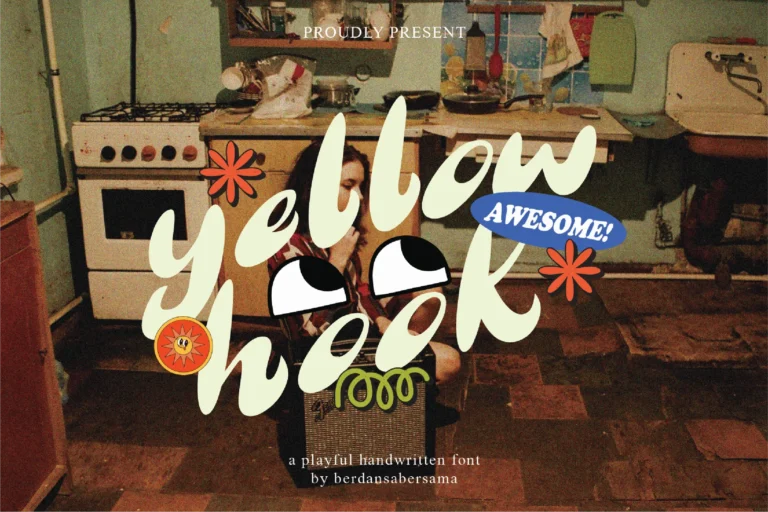
Cute and cozy fonts, the latest 2026 type trend.

Curious about what’s next in email? Explore the top email marketing trends for 2026, from AI personalization to interactive designs you can’t ignore.
